Three of the most common terms in modern barbering are taper, fade, and bald fade. Most clients use them interchangeably. Most barbers use them very precisely. That mismatch is the reason “I want a fade” is one of the riskiest things you can say in a barber’s chair without more context.
Here is what each term actually means, when to ask for each, and how to pick the one that fits the look you want.
The short version
- Taper — only the hair around your ears and neckline gets shorter. The rest of the side hair stays one length.
- Fade — the entire side of your head gradually gets shorter as it goes down, blending from longer at the top of the sides to short at the bottom.
- Bald fade — same as a fade, but the bottom section is shaved down to bare skin instead of a short clipper length.
The difference comes down to two things: how much of the side hair is shortened, and how short the shortest section is.
Taper — the subtle option
A taper only affects a small area: the hair right around your ears and along the back of your neckline. The bulk of your side hair stays the length you are wearing it.
If you walked into a barbershop in 1960, “a haircut” almost always meant a tapered cut. It is the classic, conservative option — clean lines around the ears and neckline, no dramatic contrast, nothing that draws the eye to the sides of your head.
When to ask for a taper:
- You work in a conservative environment and want a clean cut that does not call attention
- You want the sides of your head to look “tidy” but not “short”
- You are letting your hair grow out and want to keep the neckline maintained
- You want a cut that grows out gracefully without weird intermediate stages
A taper is the lowest-maintenance of the three options. It grows out cleanly because the change in length is small, so you can stretch your visits to every 4–6 weeks without the cut looking unkempt.
Fade — the modern standard
A fade is more involved. The entire side of your head gets shorter as it goes down — starting at whatever length you are keeping on top, blending down through clipper guard lengths, and ending at a short length around the ears and neckline.
The defining feature of a fade is that the transition is gradual. Done well, you cannot see a line between one length and the next; the hair just gets shorter the further down you look. That blend is what takes skill, and it is why a fade at a good barbershop looks different from a fade done quickly at a chain shop.
Fades have three common heights — low, mid, and high — based on where on your head the fade starts.
- Low fade. The fade starts just above the ear. The bulk of the side hair stays at its longer length. The most conservative fade height; office-appropriate.
- Mid fade. The fade starts at the temple line, about halfway up the side of the head. The most common request; balanced.
- High fade. The fade starts above the temple. The sides look much shorter overall, and the contrast with the top is dramatic.
When to ask for a fade:
- You want a modern look with visible contrast between the sides and the top
- Your top length is medium or longer, and you want the sides to look distinctly shorter
- You want a clean cut that reads sharp and intentional
- You are willing to come in every 2–4 weeks to keep it looking fresh
Bald fade — the maximum contrast option
A bald fade is the same idea as a regular fade, but with one important difference: the shortest section, at the bottom, is shaved down to bare skin rather than a short clipper length.
That single change makes a big visual difference. A regular fade still has a thin layer of clipper-cut hair at the bottom — short, but visible up close. A bald fade goes all the way to scalp. From a few feet away, the difference is dramatic; the contrast between the long top and the bald sides is the cleanest, sharpest look in modern barbering.
A bald fade is also the most technically demanding cut. The blend has to be perfect because the transition from bare skin to hair is impossible to hide. Any unevenness, missed guard work, or rushed blending is visible immediately. This is the cut that separates skilled barbers from quick-cut shops.
When to ask for a bald fade:
- You want maximum contrast between the top and the sides
- You are willing to come in every 2 weeks to keep the skin section looking fresh (it grows out faster than any other cut)
- You want the cleanest, sharpest look you can get
- You are not in a workplace where bald-style sides would read as too aggressive
Bald fades can be low, mid, or high — same as regular fades. A low bald fade keeps the skin section just above the ear; a high bald fade runs it well up the side of your head.
How to pick
If you are deciding between the three, here is the easiest way to think about it:
| If you want… | Ask for… |
|---|---|
| The sides “cleaned up” with no dramatic contrast | Taper |
| A modern look with visible contrast, but not extreme | Low or mid fade |
| Maximum contrast and the cleanest possible look | Bald fade |
Your face shape and hair type matter too, but those are easier to figure out in the chair than in your head before the appointment. If you walk in and say “I’m choosing between a taper and a low fade,” any competent barber can recommend one based on what they see.
What “fade” alone usually gets you
If you walk into most barbershops and say “I want a fade” with no other detail, you will probably get a low or mid regular fade. That is the safe default — visible but not dramatic, modern but not aggressive.
If you wanted a bald fade, you have to say “bald fade” or “skin fade.” If you wanted a high fade specifically, you need to say “high.” And if you wanted a taper, do not say fade at all — they are different things.
The whole point of using the right word is that it gets you the cut you wanted on the first try, without sitting in the chair adjusting things.
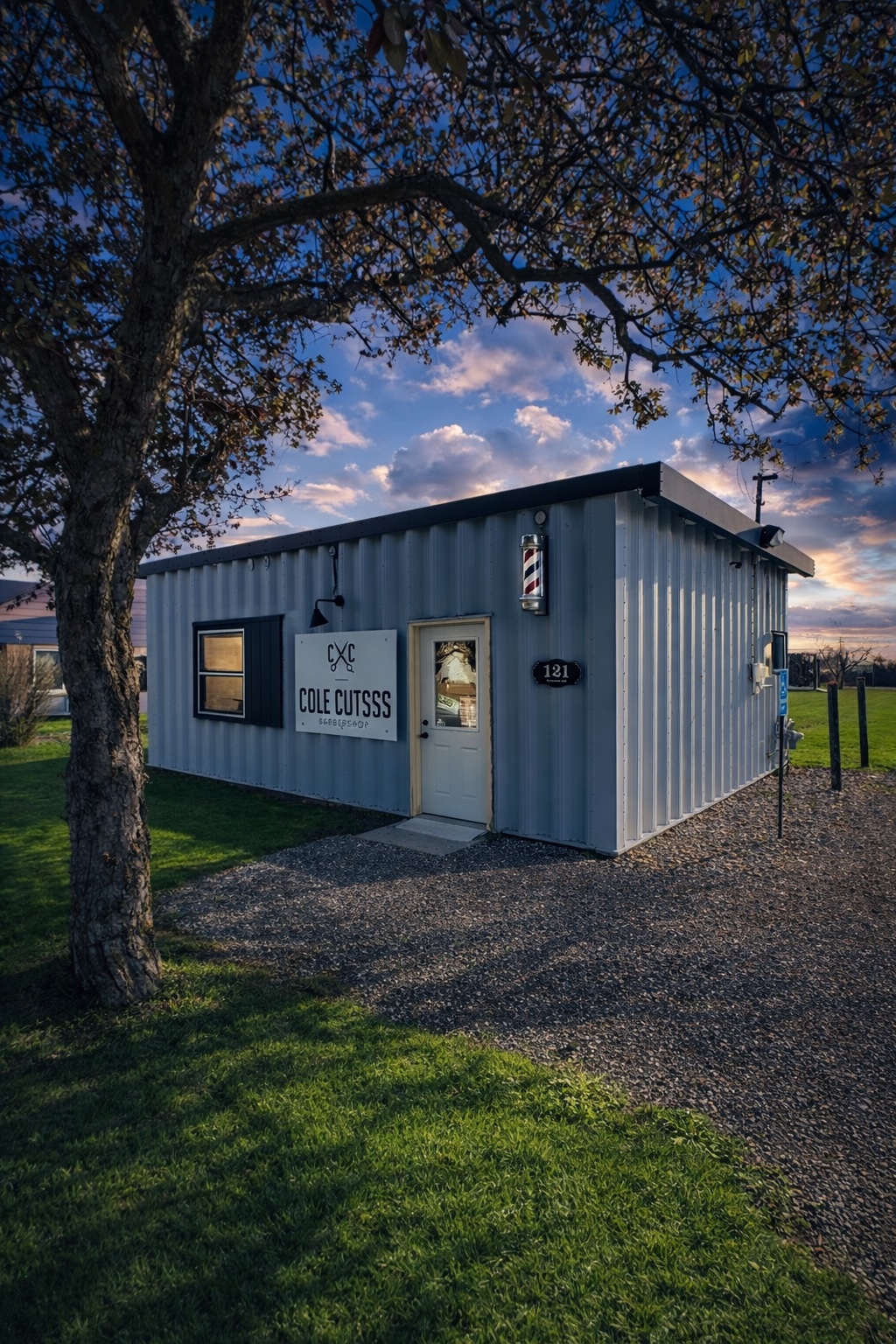
Coming to Cole Cutsss
We cut all three regularly. Tapers for conservative looks and clients growing out longer styles. Fades — low, mid, high — for most of our regulars. Bald fades for clients who want the sharpest possible contrast.
If you are not sure which one you want, bring a reference photo or describe what you are going for, and we will recommend the right one. Book online with Cole or Jacob through Setmore — Jacob also takes walk-ins when his schedule allows.