Fades look the best the day you get them. The problem is they also grow out faster than any other cut — sometimes within a few days of leaving the chair. So the practical question every fade client eventually asks: how often do I actually need to come in?
The short answer is “every 2 to 4 weeks.” The long answer depends on three things: how short your fade is at the bottom, how high up your head the fade runs, and how sharp you want it to look at all times. Here’s how to figure out a cadence that works for you.
Why fades grow out faster than other cuts
A standard haircut keeps a relatively uniform length across your head. As your hair grows, the whole cut grows together — you might lose some shape after three weeks, but the proportions stay roughly the same. The cut still reads as the same cut, just slightly longer.
A fade is the opposite. The whole point of a fade is the contrast between the longer hair on top and the much shorter hair on the sides. As soon as the side hair starts growing back in — and hair grows about half an inch a month — that contrast starts disappearing. The “step” between guard lengths fuzzes up. The skin section (if it’s a bald fade) starts showing stubble. The crisp lineup softens.
Within two weeks, a fresh fade is noticeably less sharp than it was on day one. Within four weeks, the fade is essentially gone — the cut still looks fine, but it doesn’t look like a fade anymore.
The 2-3-4 week rule
Here’s the rough framework most of our regulars work from:
- Every 2 weeks if you want your fade to look fresh at all times. This is what bald fade clients do — the skin section starts showing stubble within 3–4 days, and by two weeks the contrast is significantly faded. If your job requires you to look sharp every day, or you take a lot of photos, this is your cadence.
- Every 3 weeks if you want the fade to look clean most of the time. This is the most common cadence — it balances sharpness with not paying for a cut every other week. You’ll be slightly soft at week 3 but still look intentional.
- Every 4 weeks if you’re stretching it and don’t mind some grow-out. By week 4 the fade has mostly grown out and the contrast is mild. This works if your fade was conservative (low fade, regular not bald) and you don’t mind looking less crisp the last week or so.
Going past 4 weeks on a fade and you’re essentially getting a fresh fade every visit rather than maintaining one — the contrast is gone and the cut has to be rebuilt from scratch.
Variables that shift the cadence
The 2-3-4 framework is a starting point. Three things move you toward the shorter end:
1. Bald fade vs regular fade. A regular fade has a thin layer of clipper-cut hair at the bottom — the grow-out is less visible because the contrast was less extreme to begin with. A bald fade has bare skin at the bottom, and the moment stubble starts to show, the contrast is gone. Bald fade clients almost always need to come in every 2 weeks to keep it sharp; regular fade clients can usually stretch to 3.
2. High fade vs low fade. A high fade runs the contrast well up the side of your head. That means more visible area to grow out and more obvious change as it does. A low fade keeps the contrast confined to a small area near the ears — it grows out more gracefully. High fade clients tend to come in more often.
3. Length on top. A short textured crop with a fade can stretch longer between visits because the contrast was modest to begin with. A long top with a high bald fade has maximum contrast — and maximum visible change as it grows out.
What about the lineup?
The lineup — the clean line along your hairline, around the ears, and along the neckline — grows out even faster than the fade itself. By the end of the first week the lineup is fuzzing up. By two weeks it’s clearly grown in.
If you have a long fade cadence (4 weeks) but want the lineup to stay sharp, some clients come in for a $15 standalone touch-up just to redo the lineup between full cuts. Not everyone does this — it’s worth it if you’re in client-facing work, doing photos, or just want to look sharp without the cost of a full cut.
How to figure out your cadence
If you’re not sure what your right interval is, the easiest way to find it is to start at 3 weeks and adjust:
- Book at 3 weeks. Notice how the cut looks coming in.
- Too soft at 3 weeks (you wished you’d come in sooner)? Try 2 weeks next time.
- Still sharp at 3 weeks (you could’ve waited longer)? Try 4 weeks next time.
- Stick with what works. Once you’ve figured out the interval that matches how sharp you want to look, book it on a recurring basis.
Most of our regulars settle into 2-week or 3-week cadences depending on which fade they get. Once you’re on a cadence, you can book months out and you don’t have to think about it.
Planning around events
If you have something important coming up — wedding, photos, an interview, a vacation — book your fade for the day before or the day of the event, not a week ahead. A fresh fade looks sharpest in the first 48 hours, especially before any wash. If you book a week ahead “to make sure it settles in,” you’re trading peak sharpness for sub-optimal sharpness on the day that matters.
The exception is if you’re nervous about how a new style will look — in that case, book a test cut 2 weeks before and a refresh cut the day before. Two cuts in two weeks costs more, but you go into the event knowing you love the look.
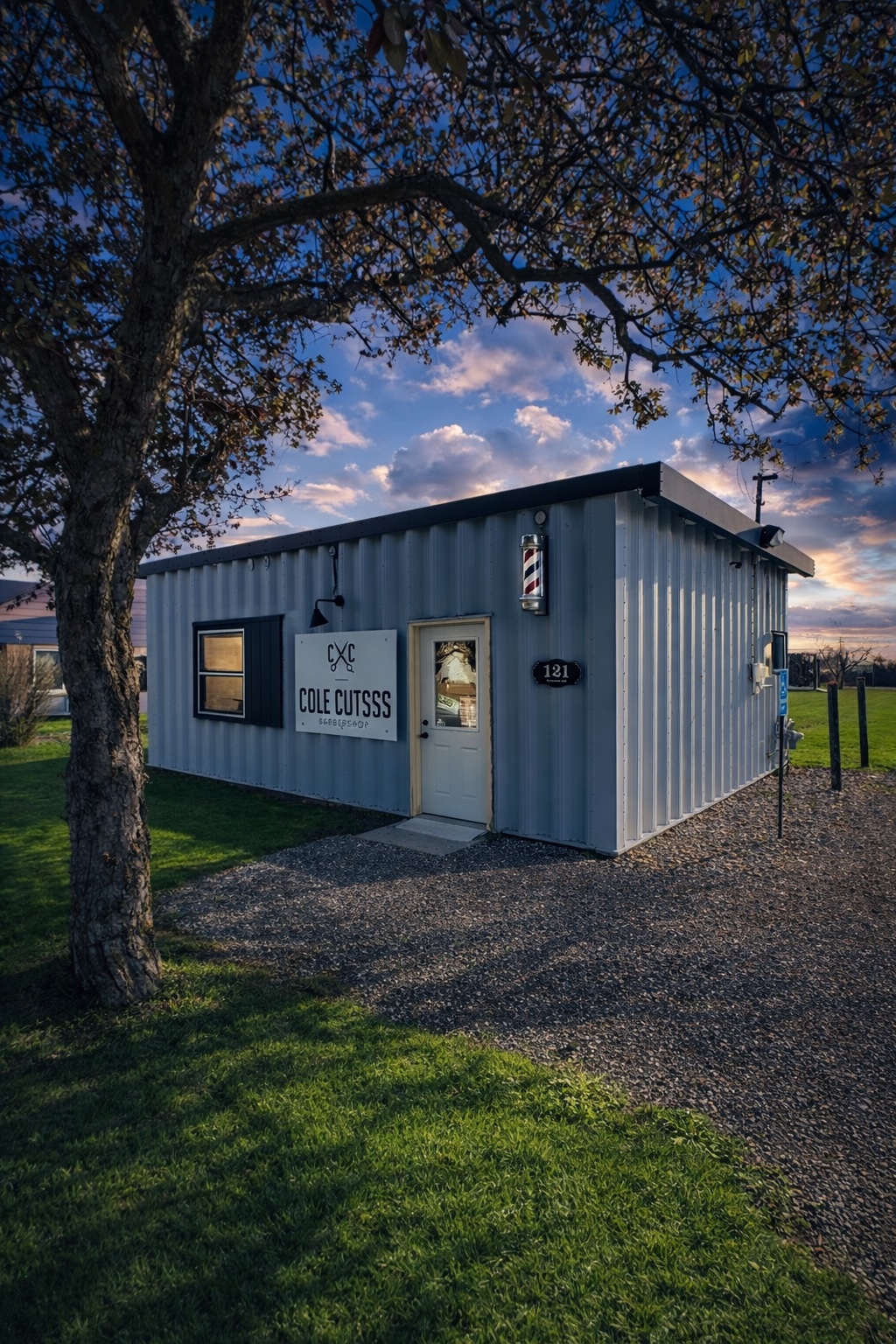
Coming to Cole Cutsss
If you’re trying to figure out a fade cadence, just ask your barber during the cut. We can usually recommend a specific number of weeks based on your fade height, length on top, and how sharp you want it. Book online with Cole or Jacob through Setmore — Jacob also takes walk-ins when his schedule allows.
If you want to lock in a recurring slot — say, the same time every 3 weeks — book it once through Setmore and then re-book on the way out the door each visit. That’s how most of our regulars manage it.